- In randomized trials, frail older adults given IV donor MSCs walked farther and scored better on physical function tests than comparison groups.
- The largest placebo-controlled trial (148 people, 2026) found a 63-meter gain in six-minute walk distance over placebo at nine months.
- Across the trials, MSCs were well tolerated, and inflammatory markers such as TNF-alpha came down.
Can stem cells help with frailty? In randomized trials, older adults with frailty who received an IV infusion of donor mesenchymal stem cells (MSCs) walked farther, moved better and reported a better quality of life than comparison groups, with no treatment-related serious side effects reported. The largest of these, a 148-person trial published in Cell Stem Cell in 2026, found people walked about 63 meters farther in six minutes than the placebo group at nine months.
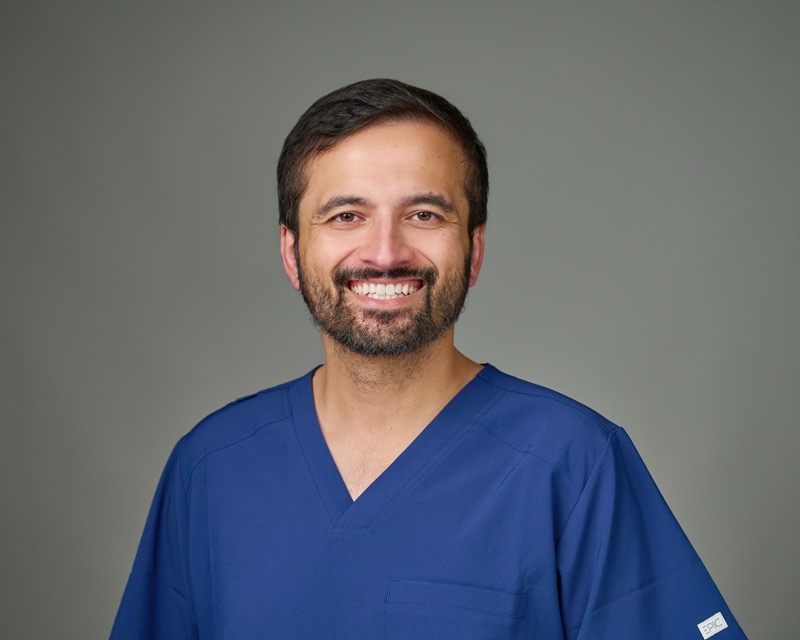
I'm Dr. Farhan Abdullah, Medical Director of Apex Regenerative Institute in Southlake, Texas. I'm also an internal medicine doctor who still works in the hospital, which means I've watched frailty up close for years. It's the patient who came in for a urinary tract infection and leaves three weeks later needing a walker. It's the slow slide that families notice before the doctors do.
So when the frailty trials started reporting, I paid attention. This post walks through what frailty actually is, why researchers thought stem cells might matter, what each of the main human trials found, and what it could mean if you're watching your own energy or a parent's mobility start to fade.
What is aging frailty, exactly?
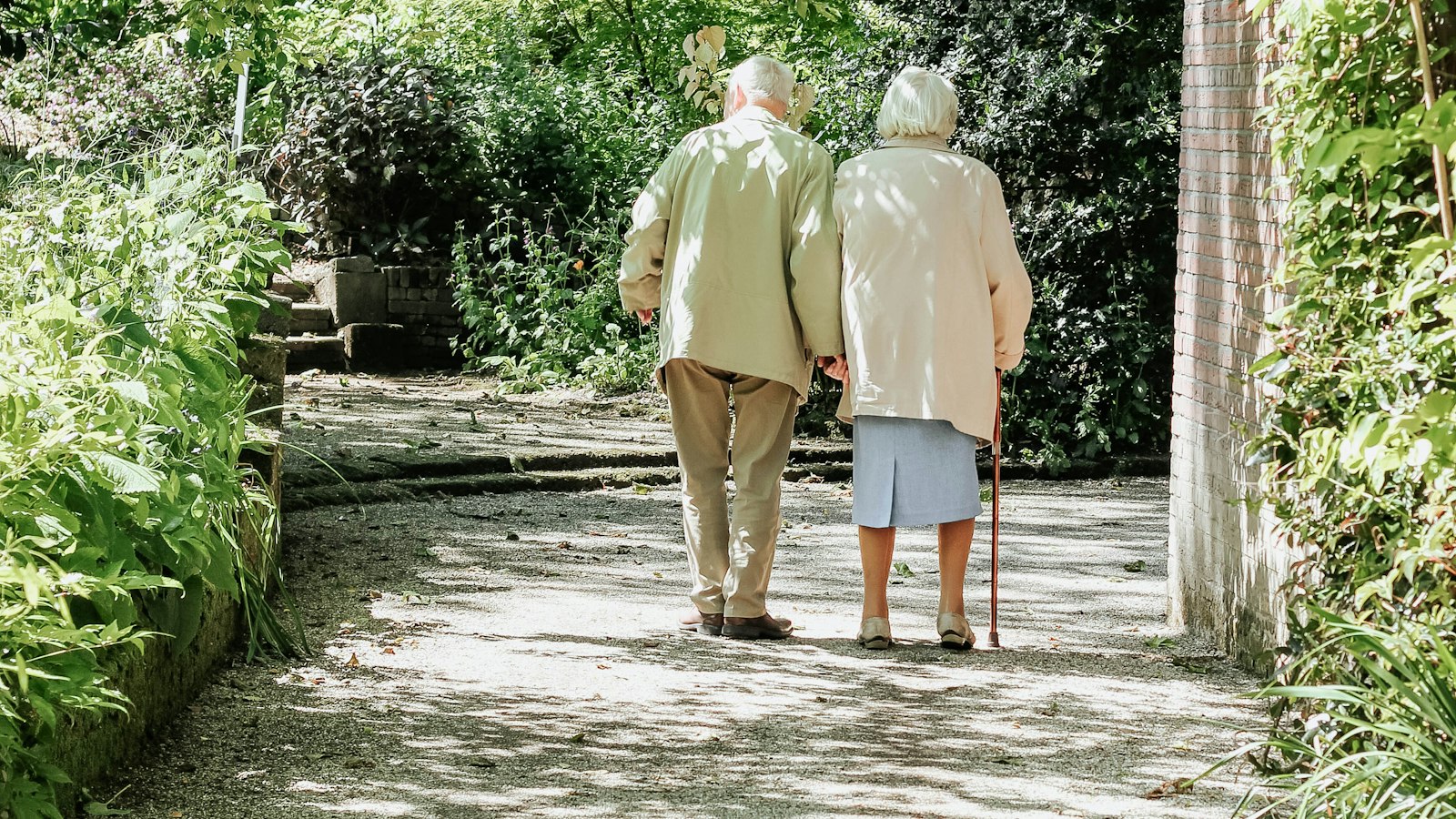
Frailty is a medical syndrome, not just "getting older." It means the body has lost its reserve, so a small stress (a fall, a flu, a hospital stay) knocks someone down much harder than it would have ten years earlier.
Doctors usually measure it with a short checklist: unintentional weight loss, exhaustion, weak grip strength, slow walking speed and low physical activity. Hit three or more and you meet the classic definition. Plenty of people in their 70s hit none of them, and some people in their 60s hit four. Birthdays are a rough guide at best.
What I tell patients is that frailty is less about one broken part and more about a whole system running low on spare capacity. Muscles, lungs, immune cells and blood vessels all lose a bit of resilience at once. That's exactly why a therapy that works on several systems at the same time is an interesting idea.
Why would stem cells help an aging body?
The short answer is inflammation and repair signaling. As we age, our own stem cell reserves shrink and a low-grade inflammatory hum sets in, something researchers call "inflammaging." MSCs are known for calming that hum and sending out repair signals to surrounding tissue.
The University of Miami team behind the first frailty trials put it plainly: impaired stem cell repair capacity is thought to be one of the biological roots of frailty. If that's true, replenishing it is a logical thing to test.
Three ideas drive the research:
- MSCs release signaling molecules that turn down inflammatory messengers like TNF-alpha, which runs high in frail older adults.
- They support blood vessel health and tissue repair through those same signals, rather than by turning into new muscle themselves.
- Donor (allogeneic) MSCs from young, healthy sources can be given by IV without tissue matching, so an 80-year-old isn't relying on 80-year-old cells.
That third point matters more than people realize. Your own cells age right along with you. It's a bit like asking a tired crew to rebuild the house they've been living in for eight decades. Bringing in a fresh crew is the whole premise.
What did the first frailty trials find?
The first two trials, both from the University of Miami and published in 2017 in the Journals of Gerontology, found that a single IV infusion of donor MSCs was well tolerated in frail older adults and was followed by better walking distance and lower inflammation.
The first was a small dose-finding study. Fifteen people received 20, 100 or 200 million cells. Across all groups, six-minute walk distance went up at three and six months compared with where people started, and TNF-alpha levels dropped by six months. The 100-million-cell dose looked best on nearly every measure.
Then came the randomized, double-blind version. Thirty people with frailty, average age about 75, got 100 million cells, 200 million cells or a placebo infusion. Nobody had a therapy-related serious side effect at one month. In the 100-million group, the six-minute walk, a standard physical performance test and lung function (FEV1) all improved. TNF-alpha fell, and markers of overactive immune cells came down too.
The fact that the middle dose beat the high dose surprised some people. It shouldn't. More isn't always better in biology, a lesson most of us learned the first time we tried a third cup of coffee.
What have the newer, larger trials shown?
The newer trials are bigger, come from three different countries and used two different cell sources, and they point the same direction: better physical function in the people who got the cells.
A placebo-controlled trial of umbilical cord MSCs (2024)
A randomized, double-blind, placebo-controlled trial from Shanghai, published in Stem Cell Research & Therapy in 2024, gave IV umbilical cord MSCs to people with aging frailty. The physical component of their quality-of-life score improved starting at the very first follow-up and stayed better than placebo through six months. Grip strength and the timed up-and-go test (stand from a chair, walk, turn, sit back down) improved too. Two inflammatory markers, TNF-alpha and IL-17, dropped compared with placebo, and side effects were similar in both groups.
A 147-person trial in Vietnam (2026)
Published in eBioMedicine in 2026, this phase 2 trial enrolled 147 frail adults aged 60 to 85. Half received two IV infusions of umbilical cord MSCs three months apart plus oral supplements, and half got the supplements alone. At nine months, the cell group scored about 1.1 points higher on the Short Physical Performance Battery, a 12-point test of balance, walking speed and getting out of a chair. There were no therapy-related serious adverse events, and the 12 mild ones (headache, dizziness, chest discomfort) resolved on their own.
The largest placebo-controlled trial yet (2026)
This is the one I'd put on the refrigerator. Published in Cell Stem Cell in March 2026, it randomized 148 people with frailty to placebo or one of several doses of donor bone marrow MSCs (a product in development called laromestrocel). The primary goal was the six-minute walk.
The benefit grew with time and with dose. At six months, the cell groups were trending about 41 meters ahead of placebo. By nine months, that gap was 63.4 meters, which the authors called clinically meaningful. People who walked farther also rated their own physical function higher, so this wasn't just a number on a stopwatch.
Sixty meters may not sound like much. In geriatric medicine, it's the difference between walking to the mailbox and asking someone else to get the mail.
What does this mean for someone thinking about cell therapy?
It means the idea has moved well past theory. A 2026 systematic review in the International Journal of Molecular Sciences looked at the three randomized trials to date and concluded that IV MSCs were well tolerated in older adults, with no treatment-related serious adverse events, and showed clinically relevant signals in mobility, quality of life and inflammation.
I want to be clear about where this sits. MSC therapy for frailty is still investigational and isn't FDA-approved for frailty or any other condition. The phase 2 results are encouraging enough that larger trials are the natural next step, and that work is underway.
If you're in your late 60s or 70s and you've noticed the stairs getting steeper, your grip getting weaker, or a cold that used to last a week now taking a month, that's the territory these trials were built around. It's worth a real conversation about where you are, what's driving it and which options make sense.
That conversation starts with the basics. In clinic, I look at labs, medications, sleep, nutrition, strength and the specific things you want to get back to. Cell therapy is one piece of a larger plan, and the plan works better when the other pieces are in place too. My longevity page is where we discuss candidacy in more detail.
Where do Muse cells fit into the aging research?
Muse cells are a stress-enduring subset of stem cells that, in published studies, home to damaged tissue after an IV infusion. They weren't part of these frailty trials, but their biology makes them one of the most exciting cells to watch in aging research.
I wrote a whole post on Muse cells and aging if you want the deeper dive. Apex is the first clinic in Dallas-Fort Worth to offer Muse cell therapy, and how they compare with MSCs is a question I hear often. The honest answer is that they work in overlapping but different ways, and which one fits depends on what you're hoping to change.
What should you do if frailty is on your radar?
Start with a clear picture of where you are. Walking speed, grip strength, a few lab markers and an honest look at energy and sleep tell us a lot. Then we can talk about what the research shows and whether regenerative therapy belongs in your plan.
If you're traveling in from out of state, send your recent labs and a list of medications ahead of time so we can make the most of the visit. You can read about how our stem cell therapy works and what happens at a first consultation.
The frailty trials are some of the most encouraging work in regenerative medicine right now, because they measure what people actually care about: walking farther, getting up from a chair more easily, feeling stronger. If that's what you or someone you love is hoping for, I'd be glad to sit down with you, look at the whole picture and map out a plan together. Book a consultation and let's talk.
Frequently asked questions
How many stem cells were used in the frailty trials?
The early University of Miami trials tested single IV doses of 20, 100 and 200 million donor MSCs, and 100 million looked best. The 2026 Vietnam trial dosed by body weight, 1.5 million cells per kilogram, given twice, three months apart.
How long did the benefits last in the frailty studies?
Most trials followed people for six to nine months. In the largest placebo-controlled trial, the walking benefit was larger at nine months than at six, which suggests the effect builds over time rather than fading quickly.
Are donor stem cells safe for people in their 70s and 80s?
In the published frailty trials, which enrolled adults averaging about 75 and up to age 85, no treatment-related serious adverse events were reported. Mild reactions such as headache and dizziness happened in some people and went away on their own.
What is the six-minute walk test?
It's exactly what it sounds like: you walk at your own pace for six minutes and someone measures how far you go. It's one of the most widely used measures of everyday mobility and endurance in older adults.
Do I need to exercise if I'm considering stem cell therapy for aging?
Yes. Strength and walking work are the foundation for anyone worried about frailty, and the Vietnam trial paired cells with nutritional supplements. I think of cell therapy as something that may help the rest of the plan work better, not a replacement for it.
Medically reviewed by Farhan Abdullah, DO. This article is for education and isn't medical advice. Regenerative therapies discussed here are investigational and are not FDA-approved to treat, cure, or prevent any disease.
References
- Golpanian S, DiFede DL, Khan A, et al. Allogeneic human mesenchymal stem cell infusions for aging frailty. J Gerontol A Biol Sci Med Sci. 2017;72(11):1505-1512.
- Tompkins BA, DiFede DL, Khan A, et al. Allogeneic mesenchymal stem cells ameliorate aging frailty: a phase II randomized, double-blind, placebo-controlled clinical trial. J Gerontol A Biol Sci Med Sci. 2017;72(11):1513-1522.
- Zhu Y, Huang C, Zheng L, et al. Safety and efficacy of umbilical cord tissue-derived mesenchymal stem cells in the treatment of patients with aging frailty: a phase I/II randomized, double-blind, placebo-controlled study. Stem Cell Res Ther. 2024;15(1):122.
- Nguyen LT, Nguyen KT, Dao LTM, et al. Safety and efficacy of allogeneic umbilical cord-derived mesenchymal stem cell infusion for frailty: a phase 2, single-centre, randomised, open-label controlled trial. EBioMedicine. 2026;127:106268.
- Ruiz JG, Oliva AA Jr, Ramdas KN, et al. Randomized phase 2b dose-escalation trial of stem cell therapy with laromestrocel for aging frailty. Cell Stem Cell. 2026;33(3):393-404.
- Poutouri E, Sotiropoulou M, Potoupnis M, et al. Safety and efficacy of mesenchymal stem cell therapy in aging frailty: a systematic review. Int J Mol Sci. 2026;27(17):7596.