Stroke recovery
IV systemic mesenchymal stem cell and exosome protocols to support post-ischemic recovery — adjunctive to physical, occupational, and speech rehabilitation. Clearer evidence for motor recovery than for global functional outcomes.
- Class
- CNS · recovery
- Approach
- IV systemic
- Materials
- MSC · exosome
- Coordination
- With neurology / PT
01 About
Where stroke recovery stalls.
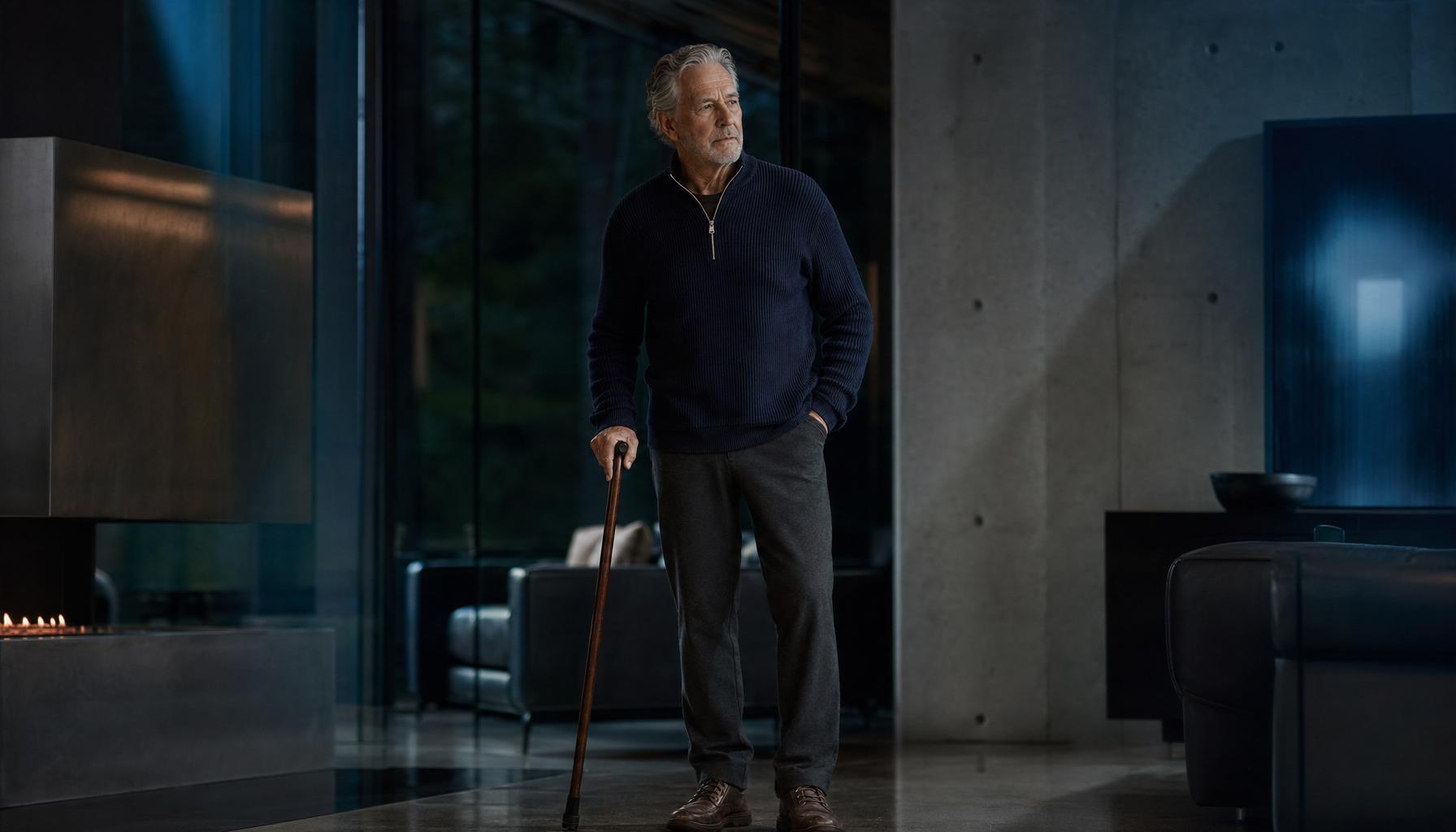
After an ischemic stroke, the brain undergoes a window of natural neuroplasticity — typically the most active in the first 3–6 months — during which physical, occupational, and speech rehabilitation drive most of the functional recovery. After that window, recovery slows, and many patients plateau with persistent deficits in motor function, speech, or cognition.
Stem cell therapy is being studied as an addition to standard rehabilitation — particularly for the subacute window (weeks to months post-stroke) and the chronic phase (after the natural plasticity window has narrowed). It is not a replacement for rehabilitation. It is an attempt to reopen the recovery curve.
02 How it works
How regen supports the brain.
Mesenchymal stem cells delivered intravenously cross the blood-brain barrier in small numbers and exert most of their effect through paracrine signaling — releasing exosomes and growth factors that modulate post-stroke inflammation, support surviving neurons, and may enhance the brain's neuroplastic response to rehabilitation. Imaging studies show MSC therapy is associated with increased task-related motor cortex activity on functional MRI.
This is one of the indications where the combination matters most. Stem cell therapy without continued rehabilitation is unlikely to produce meaningful functional gains. Stem cell therapy alongside aggressive rehabilitation, in the right patient, may help reopen the recovery window.
03 What the research shows
What the studies show.
The stroke evidence base shows a clear positive signal — significant motor-recovery improvements, durable safety across phase 1/2 trials, and measurable changes on functional MRI of the motor cortex. The data points consistently to MSC therapy as a meaningful adjunct to rehabilitation.
Efficacy of IV Mesenchymal Stem Cells for Motor Recovery After Ischemic Stroke
A randomized trial of intravenous MSC therapy in stroke patients showed significant improvements in motor-NIHSS, Fugl-Meyer motor scores, and task-related fMRI activity in motor cortex regions — suggesting MSC therapy may improve motor recovery via sensorimotor neuroplasticity.
Read on AHA JournalsPhase I/II Study of IV Allogeneic MSCs in Chronic Stroke
A phase 1/2 RCT of intravenous allogeneic MSCs in chronic stroke patients established safety and tolerability with preliminary efficacy signals on motor and functional measures — providing the foundation for larger phase 3 studies.
Read on PubMedEfficacy and Safety of MSCs in Acute Ischemic Stroke
A 2024 meta-analysis of MSC therapy for acute ischemic stroke demonstrated significant reductions in NIHSS scores compared with placebo — supporting MSCs as a safe, effective adjunct in the post-stroke recovery window. Safety was consistently established across the included trials.
Read on BMC Neurology
The protocols with the strongest published outcomes pair IV MSC therapy with active rehabilitation — exactly how we structure stroke protocols at Apex. We coordinate with your rehabilitation team and design the dose schedule around the published trial data.
04 Are you a candidate
Who's a candidate.
Candidates:
- Subacute or chronic ischemic stroke patients with persistent motor deficits.
- Patients actively engaged in or willing to commit to ongoing rehabilitation.
- Stable medical status with stroke risk factors (BP, A1c, anticoagulation) optimized.
- Realistic expectations — measurable functional improvement, not full recovery.
When we will not recommend it:
- Acute stroke — established stroke care pathways take priority.
- Hemorrhagic stroke — different mechanism, different research base.
- Patients not engaged in or unable to participate in rehabilitation.
- Patients seeking stem cell therapy as a substitute for medical management.
Think you might be a candidate?
The first step is a 60–90 minute consultation. We review your imaging, history, and goals — and tell you honestly whether regenerative therapy is the right next step.
05 A patient experience
Dr. Abdullah did an amazing job treating both me and my spouse. I feel less pain every day, and my brain fog is entirely gone. It's only been about 3 weeks.
Kayla Google · Local Guide
07What happens at your consultation
A conversation, not a sales meeting.
-
01
Intake & history
60–90 minutes. We review imaging, prior treatments, current medications, and goals. Most of this hour is listening.
-
02
Focused exam
A clinical exam tailored to your indication. Range of motion, strength, functional testing — what the literature actually predicts response on.
-
03
Honest candidacy review
If we think you're a candidate, we'll tell you why. If we don't, we'll tell you what we'd recommend instead — surgery, PT, watchful waiting.
-
04
Written plan & pricing
A defined treatment plan with modality, sequence, follow-up cadence, and total cost — before any commitment.
06 What treatment looks like
What treatment looks like.
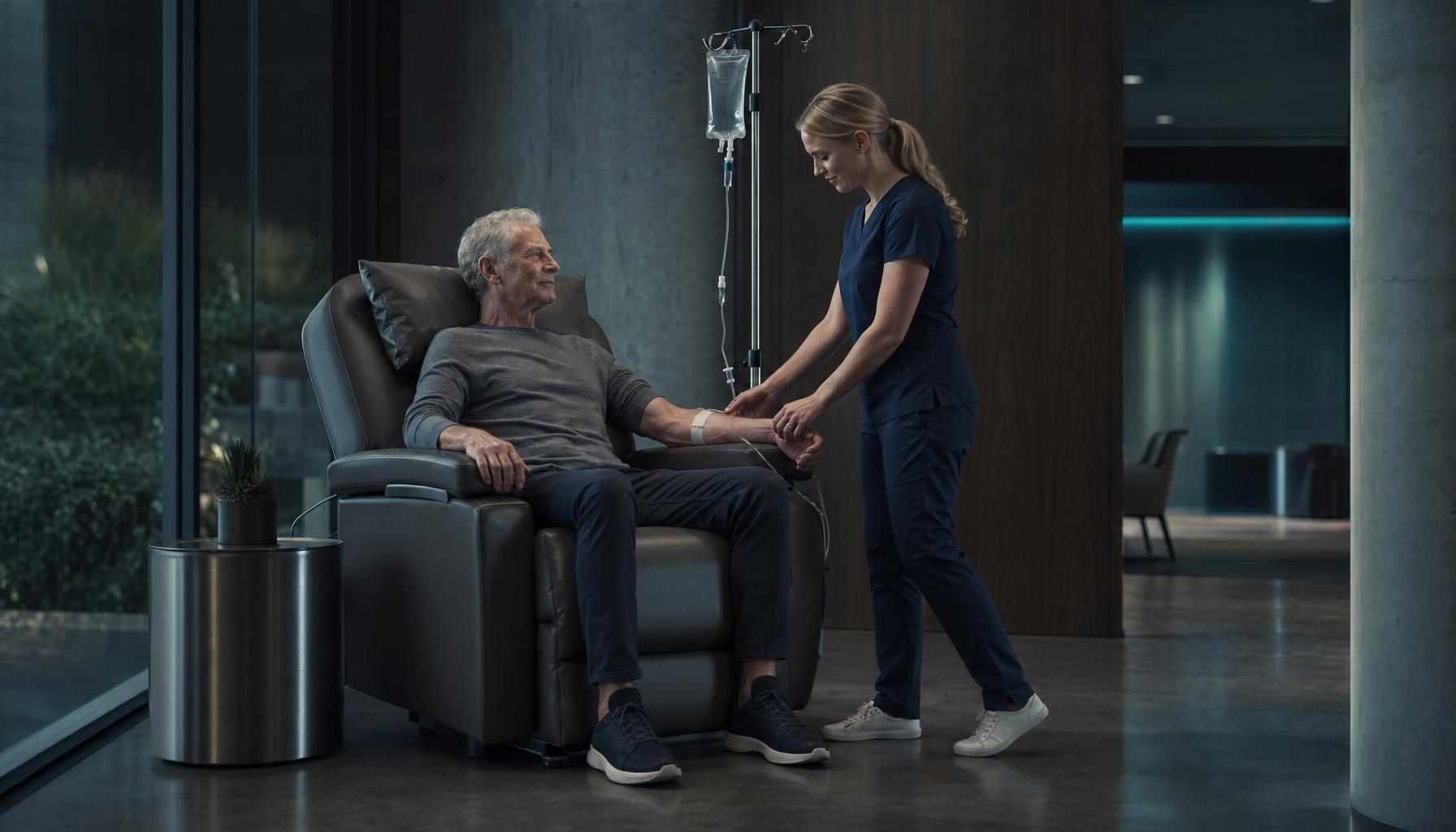
A typical stroke protocol begins with consultation, neurology coordination, and review of imaging, medications, and rehabilitation status. Treatment is IV systemic MSC and/or exosome material, sometimes in a series of doses spaced over weeks to months. The protocol is designed alongside — not instead of — continued rehabilitation.
Reassessment at 3 months, 6 months, and 12 months. Functional outcome measures (NIHSS, Fugl-Meyer, Barthel Index) and ongoing coordination with the rehabilitation team.

09 Common questions
Common questions, answered.
Is it too late if my stroke was years ago?
Not necessarily. Subacute and chronic stroke patients can still benefit, especially when paired with active rehabilitation.
Will this restore lost function?
Realistic expectation: measurable functional gains, particularly motor recovery, when paired with rehab. Not full restoration of pre-stroke baseline.
Can I continue PT and OT?
Yes — and we encourage it. The strongest published outcomes pair MSC therapy with active rehabilitation.
Is this safe with my blood thinners?
Generally yes, but we'll review your medications carefully and coordinate with your neurologist.
How many infusions will I need?
Typically a series of doses spaced over weeks to months. The protocol is individualized based on your recovery curve.
What are the risks?
IV MSC protocols have a strong safety record across phase 1/2 trials. Mild post-infusion headache or fatigue is the most common minor effect.
08 Coverage & cost
Most regenerative protocols at Apex are not covered by insurance — we discuss pricing directly, in writing, before any commitment. Softwave shockwave is the exception: covered by Medicare Parts A & B with supplement (not by Medicare Advantage). Financing options are available for protocols not covered. We never hold a pricing conversation until we know you're a candidate.
Begin with a consultation.
A frank conversation about your stroke, your rehabilitation, and what realistic expectations look like — and whether regenerative therapy is a fit for your specific recovery curve.